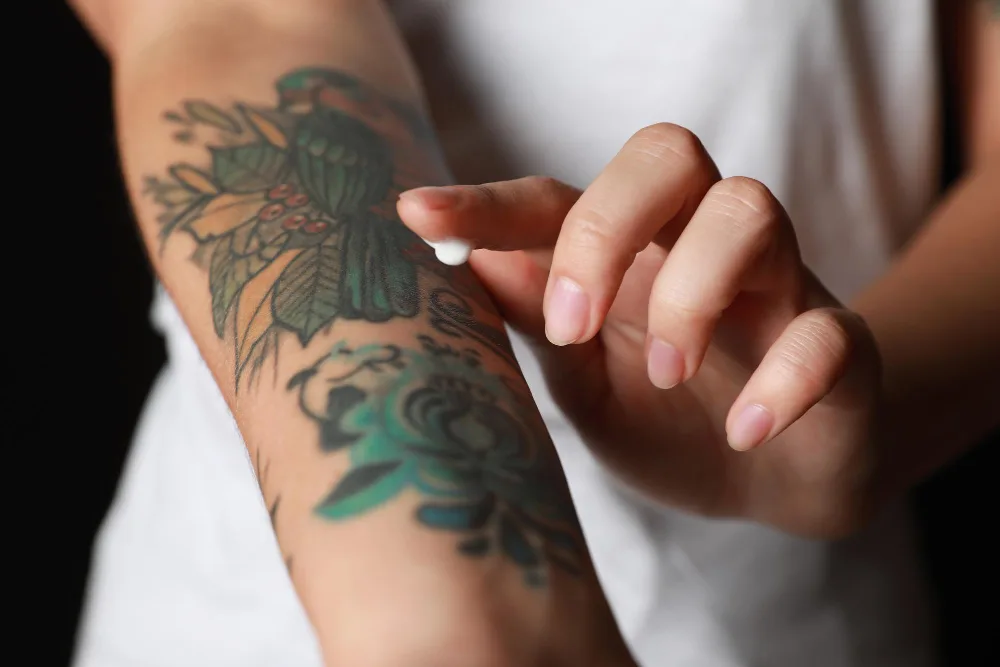
You've just left the tattoo shop with a fresh piece of art on your skin. The excitement is high, but now comes the most crucial part of the process: aftercare. Proper tattoo healing is essential for ensuring your new ink looks vibrant and sharp for years to come. Understanding the stages of healing can help you know what to expect and spot any potential issues before they become serious problems.
This guide will walk you through the typical tattoo healing timeline, day by day and week by week. We'll cover what's normal—like peeling and itching—and what's not, so you can take the best possible care of your new investment. Knowing how to navigate this process will give you peace of mind and help your tattoo heal beautifully.
The First 24 Hours: The Open Wound Stage
Think of a new tattoo as a beautiful, intricate open wound. Your skin has undergone trauma, and its first response is to kickstart the healing process.
What's Normal:
- Redness and Swelling: Immediately after your session, the tattooed area will likely be red, swollen, and tender. This is your body's natural inflammatory response to the needles. The intensity can vary depending on the tattoo's size, placement, and your skin's sensitivity.
- Oozing: It's common for your new tattoo to ooze a clear or slightly tinted fluid (plasma, blood, and excess ink) for the first day. This is a normal part of your body's attempt to cleanse the wound.
- Soreness: The area will feel sore, similar to a sunburn. This tenderness should start to subside after the first day.
Aftercare Instructions:
Your artist will cover your new tattoo, usually with a sterile bandage or a clear, adhesive film like Saniderm. Follow their specific instructions, but generally:
- Leave the initial covering on for the recommended time (typically a few hours for a standard bandage, or several days for an adhesive film).
- Once you remove the covering, gently wash the tattoo with lukewarm water and a mild, fragrance-free antibacterial soap. Use your hands, not a washcloth.
- Pat the area dry with a clean paper towel. Avoid using a bath towel, as it can harbor bacteria.
- Let the tattoo air-dry for a few minutes before applying a very thin layer of your artist-recommended aftercare lotion or ointment.
Week 1 (Days 2-6): The Itchy & Flaky Stage
During this phase, your body is working hard to repair the skin. The initial redness and swelling should have gone down, and your tattoo will start to change in appearance.
What's Normal:
- Itching: This is often the most challenging part of the healing process. As your skin heals, it will become incredibly itchy. It's a sign that your body is repairing itself. Do not scratch! Scratching can damage the tattoo, pull out ink, and lead to scarring or infection.
- Flaking and Peeling: Your tattoo will start to look dull and cloudy as a new layer of skin forms. Then, the top layer of dead skin and ink will begin to flake and peel off, much like a sunburn. The flakes may contain bits of color, which is completely normal.
- Scabbing: Light scabbing may form over the tattooed area. These scabs should be thin and flaky. Thick, heavy scabs could be a sign of improper aftercare, like over-moisturizing.
Aftercare Instructions:
- Continue to wash your tattoo gently 2-3 times a day.
- Apply a thin layer of moisturizer after each wash. It's crucial not to over-moisturize, as this can clog pores and trap bacteria. The goal is to keep the skin hydrated, not smothered.
- To relieve itching, you can gently tap or pat the area. Do not scratch or pick at the flakes or scabs. Let them fall off naturally.
Week 2-4: The Continued Healing Stage
Your tattoo is starting to look more like the finished product, but the healing process isn't over yet. The deeper layers of your skin are still repairing themselves.
What's Normal:
- Dull Appearance: The tattoo might still look a bit dull or cloudy. This is because a new layer of skin (known as "silver skin") has formed over the ink. This layer will eventually become more transparent as it fully heals.
- Less Itching and Peeling: Most of the major peeling and itching should be done by now. You might still have some minor flaking.
- Dryness: The skin may still feel dry and slightly tight.
Aftercare Instructions:
- You can reduce washing to once a day, but continue to moisturize regularly.
- Protect your tattoo from the sun. UV rays are a tattoo's worst enemy and can cause significant fading. Keep it covered with clothing or stay out of direct sunlight. Do not apply sunscreen until the tattoo is fully healed (around 4-6 weeks).
- Avoid soaking the tattoo. This means no swimming in pools, oceans, or hot tubs, and no long baths. These bodies of water can contain bacteria that may cause infection.
What's Not Normal: Signs of Infection
While complications are rare with proper aftercare, it's vital to recognize the signs of an infection. Contact your artist and a healthcare professional if you experience any of the following:
- Excessive Redness and Swelling: If the redness and swelling worsen after the first few days or spread far beyond the tattoo.
- Prolonged Pain: While some soreness is normal, severe or increasing pain is a red flag.
- Pus or Foul-Smelling Discharge: Any thick, yellow, or green pus is a clear sign of infection.
- Bumps or Rash: A red, bumpy rash on or around the tattoo could indicate an allergic reaction to the ink or aftercare product.
- Fever: If you develop a fever or feel unwell, seek medical attention immediately.
Long-Term Care: Keeping Your Ink Fresh
Once your tattoo has fully healed (typically after a month or two), the aftercare doesn't stop. To keep your artwork looking its best for years, follow these tips:
- Moisturize: Keep your skin hydrated to help the colors stay vibrant.
- Use Sunscreen: Always apply a high-SPF sunscreen to your tattoos when they are exposed to the sun. This is the single most important thing you can do to prevent fading.
- Stay Healthy: A healthy lifestyle and hydrated skin will help maintain the quality of your tattoo.
Your Go-To Tattoo Shop in Winter Park, FL
Proper healing is just as important as the quality of the tattoo itself. By understanding these stages, you can ensure your new art heals perfectly and looks incredible for a lifetime. Always listen to the specific aftercare advice from your artist, as they know what works best for their style and your skin.
If you're ready for your next piece or have more questions about the tattoo process, it’s essential to choose a reputable studio. For a professional and high-quality experience, consider the top artists in your area. If you're looking for an expert tattoo shop in Winter Park, FL, the team at Golden Tarot Ink Club is here to help. Our artists are dedicated to creating beautiful custom tattoos and providing you with the best aftercare guidance.
Contact Golden Tarot Ink Club today to schedule an appointment and start your next tattoo journey with confidence.