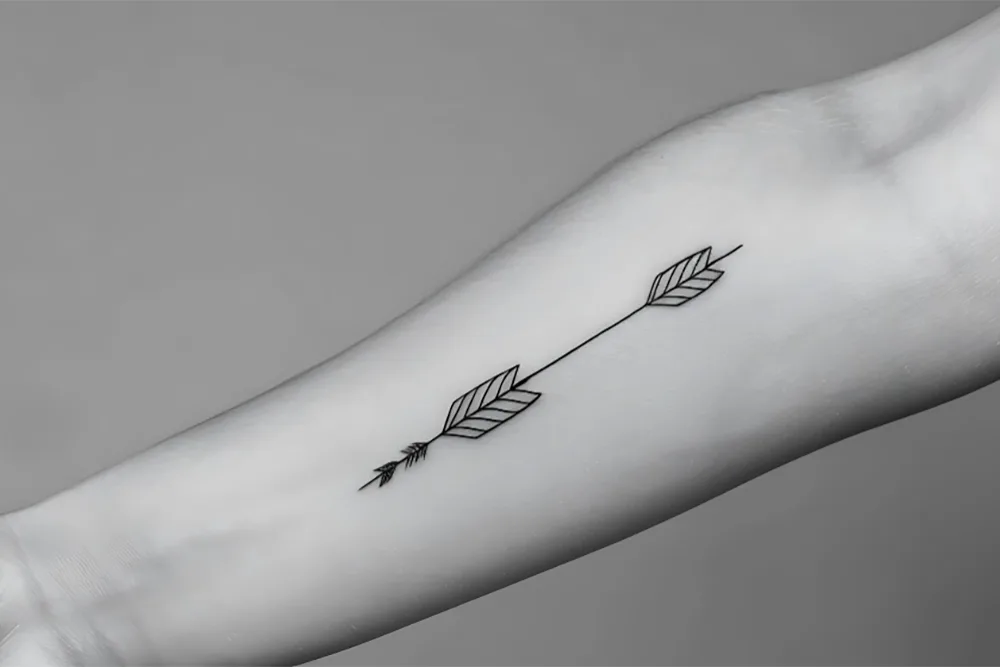
Small tattoos are having a major moment. From delicate script on a wrist to a tiny floral design behind an ear, these miniature masterpieces prove that great art doesn't need a giant canvas. But creating a stunning small-scale tattoo is more complex than simply shrinking a larger design. It requires a unique combination of artistic skill, technical precision, and a deep understanding of how ink behaves in the skin over time.
This guide explores the world of intricate small tattoos. We'll cover what makes them challenging, how skilled artists master them, and what you should consider before getting your own piece of miniature art. By the end, you'll know exactly what to look for in a tattoo artist and how to ensure your small tattoo looks amazing for years to come.
Why Are Small Tattoos So Popular?
The trend toward smaller, more detailed tattoos has grown for several reasons. For many, they offer a discreet way to express personal style without committing to a large, highly visible piece. A small tattoo can be easily covered for professional settings, giving the wearer control over who sees it.
They are also an excellent entry point for first-timers. The process is generally quicker and less painful than a large-scale tattoo, making it a less intimidating experience. Finally, in an age of curated aesthetics, a collection of small, well-placed tattoos can tell a story, acting as individual charms on a personal bracelet of memories and symbols.
The Challenge of a Tiny Canvas
Creating a detailed tattoo on a small patch of skin presents a unique set of technical and artistic challenges. Unlike larger pieces where there's more room for error, every line, dot, and shade in a small tattoo must be perfect.
Line Work and Ink Spread
The biggest challenge is managing how ink spreads under the skin. Over time, all tattoo lines thicken slightly, a phenomenon known as "ink bleed." In a large tattoo, this slight blurring is often unnoticeable. In a small, detailed piece, however, it can be disastrous. Lines placed too close together can merge, turning a crisp design into an undefined smudge.
A skilled artist specializing in fine-line work knows exactly how deep to place the needle and how far apart to space the lines to account for this aging process. They use single needles or very small needle groupings to create sharp, delicate lines that will hold their integrity for years.
Shading and Gradient
Achieving smooth shading and subtle gradients in a confined space requires immense control. The artist must create a sense of depth and dimension without overworking the skin or muddying the design. Techniques like dot work (stippling) are often used to build up tone gradually, creating soft, airy shading that heals beautifully. This contrasts with the heavy, saturated color-packing you might see in traditional, bolder tattoos.
Finding the Right Artist for Your Small Tattoo
The success of a small, detailed tattoo depends almost entirely on the artist's skill. Not every artist who can create a beautiful full-sleeve can master the nuances of miniature art. When searching for a tattoo parlor, especially here in Orlando, FL, look for artists whose portfolios are filled with examples of healed fine-line and micro-tattoos.
What to Look for in a Portfolio
- Healed Work: Always prioritize photos of healed tattoos over fresh ones. A fresh tattoo can look incredibly sharp, but the healed result is what truly matters. Reputable artists will proudly display how their work settles into the skin after several months or even years.
- Consistent Line Weight: Examine the line work closely. Are the lines clean, consistent, and intentional? Wobbly or inconsistent lines are a red flag.
- Clear Details: In their healed work, can you still make out the small details? If the healed examples look blurry or blotchy, the artist may not have the technical skill to execute a design that will age well.
- Specialization: Many artists specialize in certain styles. Look for those who identify as fine-line, single-needle, or micro-tattoo artists. Their experience in this specific niche is invaluable.
Design Considerations for Small Tattoos
Once you've found an artist, the next step is perfecting your design.
- Simplify, Simplify, Simplify: You may have a grand, complex idea, but it's crucial to simplify it for a small scale. Too much detail crammed into a tiny space is a recipe for a blurry tattoo down the road. Trust your artist’s advice on what is and isn’t possible. They can help you distill your concept to its most impactful elements.
- Placement Matters: Where you place your tattoo can affect its longevity. Areas with thin skin or high friction (like fingers, feet, and elbows) are prone to faster fading. More stable areas like the inner forearm, upper arm, or ankle tend to hold detail better over time.
- Think Timeless: While trendy designs are fun, small tattoos are still permanent. Choose a subject that has personal meaning and a design that feels classic to you. Simple florals, celestial symbols, minimalist script, and animal outlines are popular choices because their clean lines age gracefully.
Begin Your Tattoo Journey
A small tattoo can be a powerful and beautiful form of self-expression, but its success hinges on careful planning and the right artist. By understanding the challenges and looking for an expert with a proven track record, you can get a stunning piece of art that you'll love for a lifetime.
If you're looking for a tattoo parlor in Orlando, FL, with artists who specialize in detailed, fine-line work, we invite you to explore our portfolios. The team at Golden Tarot Ink Club is dedicated to creating beautiful, lasting art, no matter the size. Contact us today to schedule an appointment and bring your vision to life.